
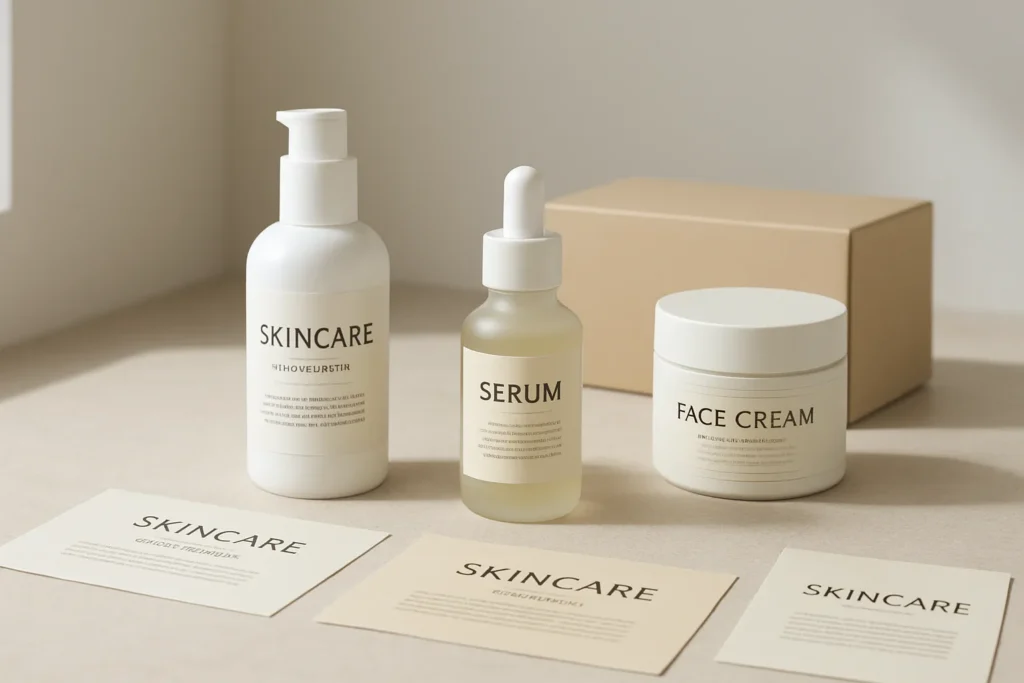
Custom Skincare Labels: Stand Out in a Competitive Market with Custom Labels for Skincare
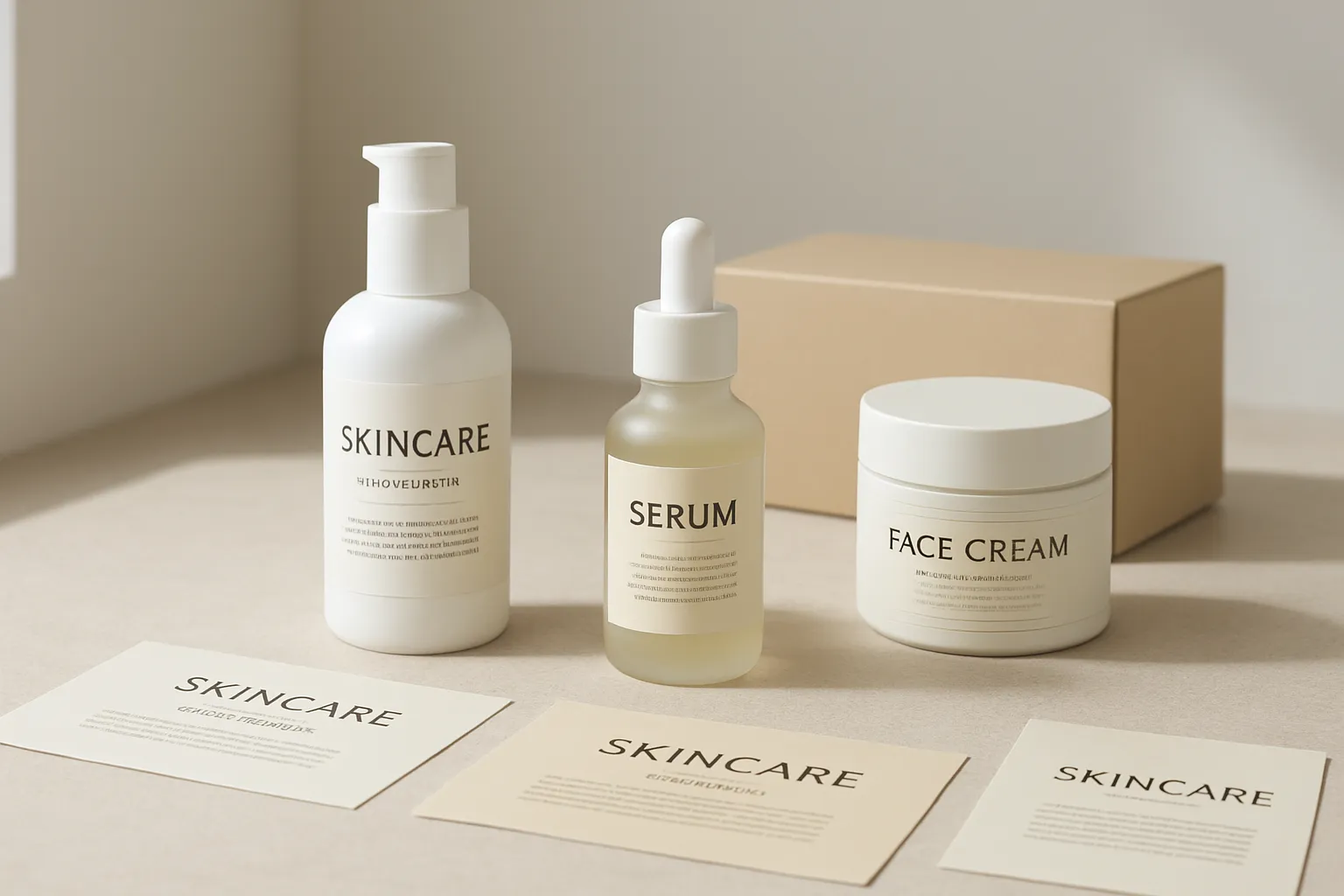
1. Introduction to Custom Skincare Labels
In today’s fast-paced skincare industry, where new brands and products emerge almost daily, custom skincare labels are crucial for establishing a brand’s identity and presence in the market. The significance of these labels goes beyond merely providing product information; they also serve as a creative canvas that embodies the brand’s ethos. As competition intensifies, having an eye-catching label can greatly influence consumer decisions. Therefore, brands must invest in custom skincare labels that truly resonate with their target audience.
2. Key Specifications for Custom Skincare Labels
When contemplating custom skincare labels, several essential specifications should be evaluated to ensure they meet both aesthetic and functional needs.
- Material Choices: The choice of material significantly impacts both the durability and visual appeal of custom skincare labels. Common options include paper, vinyl, and polyester, each with its own distinct advantages. For example, vinyl is water-resistant, making it ideal for products exposed to moisture, while paper labels might appeal more to eco-conscious consumers.
- Size and Shape Options: Customization extends beyond design; the size and shape of the label can enhance product visibility on the shelf. Brands should consider unique shapes that align with their product identity, whether it’s a sleek oval for a serum or a bold square for a cream. This thoughtfulness in design can make a notable difference in attracting customers.
- Printing Techniques: The chosen printing technique can greatly influence the label’s quality and durability. Options like digital printing offer vibrant colors and quick turnaround times, while flexographic printing is known for its efficiency in high-volume production. Brands should select a method that balances quality with their production requirements.
3. Use Cases for Custom Skincare Labels
Custom skincare labels fulfill various roles that go beyond mere decoration.
- Branding and Identity: A well-crafted label tells a brand’s story and conveys its values. It can evoke emotions and foster connections with consumers, increasing the likelihood that they will choose that product over others.
- Product Differentiation: In a crowded marketplace, standing out is essential. Custom labels allow brands to highlight unique selling points, such as organic ingredients or cruelty-free practices, effectively distinguishing them from competitors.
- Regulatory Compliance: Skincare products must adhere to various labeling regulations. Custom skincare labels can be designed to meet these requirements, ensuring that all necessary information is presented clearly to consumers.
4. Comparing Custom Skincare Labels
When selecting custom skincare labels, brands need to compare various options to find the best fit for their needs.
- Digital vs. Offset Printing: Digital printing provides flexibility and is perfect for short runs, making it an excellent choice for brands that frequently launch new products or variations. On the other hand, offset printing is more cost-effective for larger quantities, delivering high-quality results.
- Standard vs. Eco-Friendly Materials: As sustainability becomes increasingly important to consumers, brands should consider eco-friendly materials for their labels. While standard materials may be cheaper, eco-friendly options can enhance a brand’s image and appeal to environmentally aware buyers.
- Cost Analysis: A thorough evaluation of costs is vital. Brands should consider not just the price per label but also the overall production costs, including design, materials, and printing methods. Conducting a comprehensive cost analysis will aid in making well-informed decisions.
5. Sourcing Custom Skincare Labels
Finding the right supplier for custom skincare labels is key to ensuring quality and reliability.
- Finding Reliable Suppliers: Brands should conduct diligent research to identify suppliers with a strong industry reputation. Online reviews, case studies, and referrals can provide valuable insights into a supplier’s capabilities.
- Evaluating Quality and Service: Quality assurance is imperative. Brands should request samples to assess the label’s durability and print quality. Furthermore, evaluating customer service responsiveness can be an indicator of the supplier’s reliability.
- Minimum Order Quantities: Different suppliers have varying minimum order quantities (MOQs). Brands should consider their production needs and budget when selecting a supplier to avoid excess inventory or unmet demand.
6. Implementation Strategies for Custom Labels
Once a supplier is selected, implementing custom skincare labels involves several strategic steps.
- Design Considerations: The label design should align with the overarching marketing strategy of the brand. Collaborating with graphic designers can help produce a visually appealing and functional label.
- Production Timeline: Establishing a clear production timeline is crucial to ensure that labels are ready for product launches. Brands should communicate their deadlines with suppliers to prevent any delays.
- Quality Control Measures: Implementing quality control measures during production can help prevent costly errors. Regular checks and a final review of labels before application can safeguard against defects.
7. Frequently Asked Questions
- What are the benefits of custom labels? Custom labels enhance brand visibility, effectively communicate product information, and promote brand identity, which ultimately drives consumer engagement.
- How to choose the right label design? The right label design should reflect the brand’s identity, appeal to the target audience, and comply with regulatory requirements.
- What are the common pitfalls to avoid? Brands should avoid neglecting the importance of quality materials, overlooking regulatory compliance, and underestimating the significance of effective design.
In conclusion, custom skincare labels are essential for brands aiming to succeed in a competitive market. By understanding the key specifications, use cases, and sourcing strategies, businesses can create labels that not only stand out but also resonate with consumers, fostering brand loyalty and driving sales. For more insights, refer to this industry reference on custom skincare labels.