
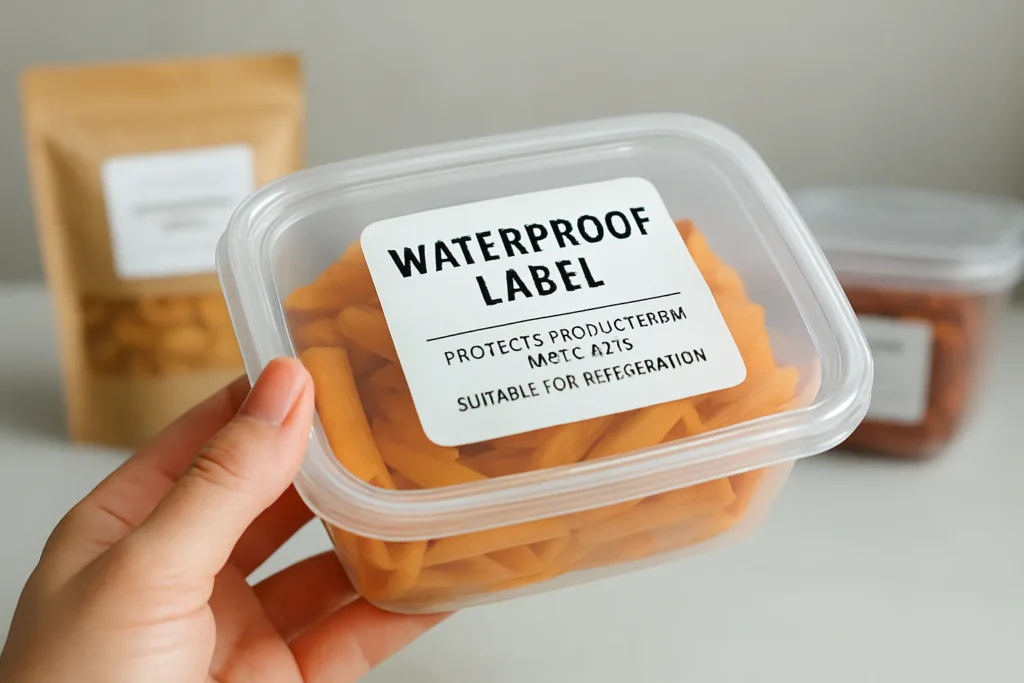
The Benefits of Waterproof Food Labels for Packaging: Ensuring Quality and Compliance in Food Safety
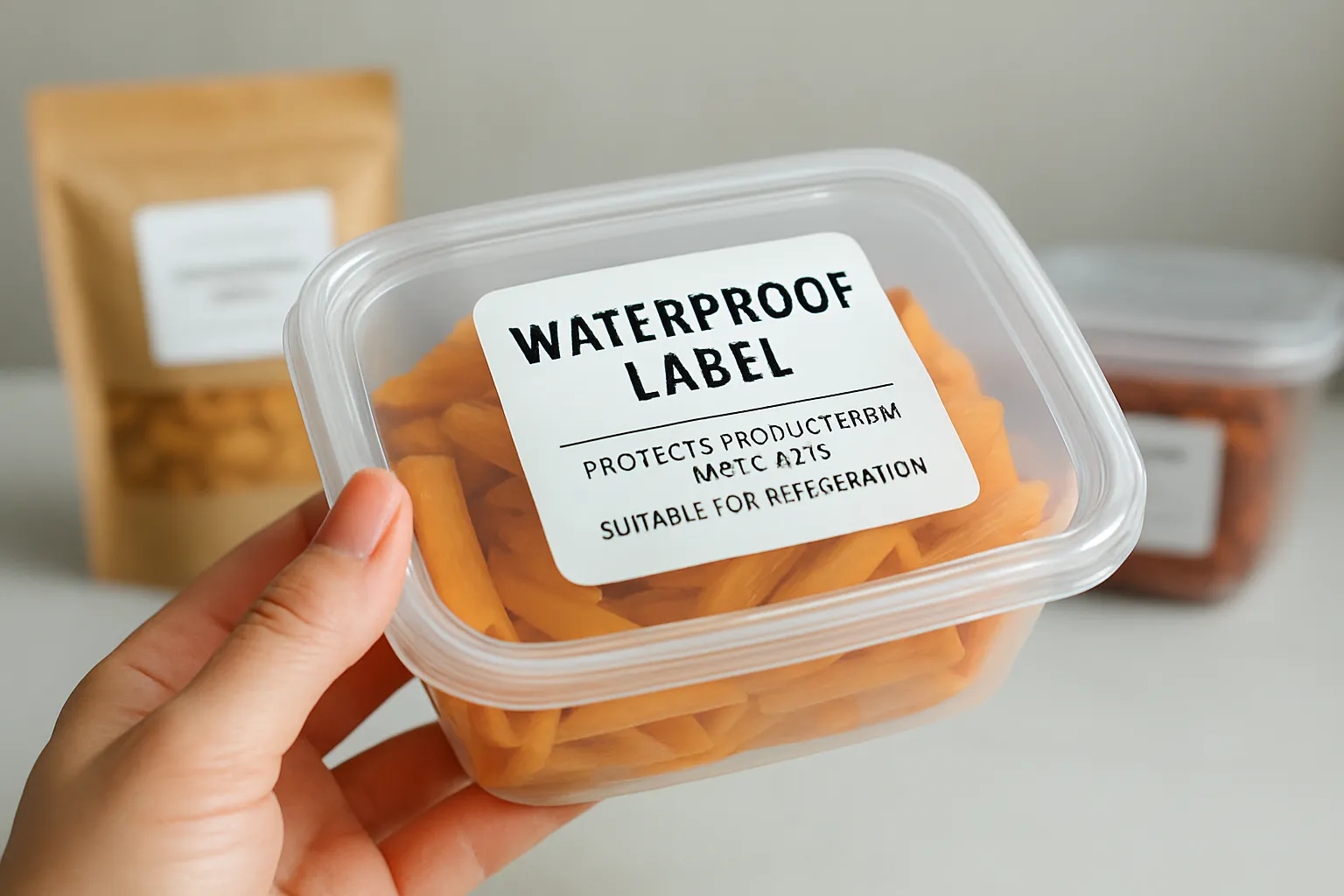
1. Introduction to Waterproof Labels
Waterproof labels are specifically engineered to resist water and moisture, guaranteeing that the information printed on them remains clear and intact even in wet conditions. In the realm of food packaging, these labels are vital for maintaining product quality and adhering to industry regulations. With the food industry constantly evolving, the demand for robust labeling solutions that can withstand diverse environments is becoming increasingly pronounced. Waterproof labels not only improve the visual appeal of food products but also ensure that crucial details—such as ingredients, expiration dates, and nutritional facts—are preserved. For a variety of options, check out our Products page.
2. Specifications of Waterproof Labels
When it comes to waterproof labels, several specifications play a critical role in their effectiveness for food packaging.
- Material Composition: Waterproof labels can be crafted from various materials, including polyester, vinyl, and polypropylene. Each material offers distinct advantages; for instance, polyester labels are renowned for their tear resistance, while vinyl labels are flexible and can adapt to different surfaces.
- Adhesive Properties: The adhesive used in waterproof labels is crucial. It must be robust enough to adhere to various packaging materials—be it glass, plastic, or cardboard—while also resisting moisture and temperature changes.
- Durability and Longevity: A high-quality waterproof label should endure exposure to moisture, oils, and extreme temperatures without deteriorating. This durability ensures that the labels remain intact throughout the product’s shelf life, maintaining compliance and consumer trust.
3. Use Cases for Waterproof Labels in Food Packaging
Waterproof labels are versatile and can be applied across a range of food packaging scenarios:
- Fresh Produce: For fruits and vegetables, waterproof labels not only convey essential information but also withstand washing and handling, ensuring readability from farm to table.
- Frozen Foods: In the frozen food sector, waterproof labels are indispensable as they withstand extreme cold without peeling or fading, ensuring that product information remains accessible.
- Ready-to-Eat Meals: Convenience foods often encounter moisture during preparation and consumption. Waterproof labels help maintain product integrity while providing consumers with vital information about the meal.
4. Compliance and Regulatory Standards
Adhering to food safety regulations is crucial in the food industry, and waterproof labels play a significant role in compliance:
- Food Safety Regulations: Many regions enforce strict guidelines regarding food labeling. Waterproof labels assist manufacturers in meeting these regulations by ensuring that labels do not smear or wash away, thus preserving critical information. For more on this topic, consult this technical reference.
- Labeling Requirements: Accurate labeling is not just a legal obligation; it also enhances brand credibility. Waterproof labels ensure that all necessary details, such as allergen warnings and nutritional information, remain visible.
- Certification Processes: Numerous food products necessitate specific certifications (e.g., organic, gluten-free). Waterproof labels can be designed to incorporate certification logos and information, ensuring compliance with industry standards.
5. Comparing Waterproof Labels to Traditional Labels
When assessing labeling options, businesses must weigh the differences between waterproof and traditional labels:
- Performance in Various Conditions: Waterproof labels excel in wet and humid environments, making them ideal for food packaging that may encounter moisture.
- Cost-Effectiveness: While waterproof labels may entail a higher initial cost, their durability can lead to long-term savings by minimizing waste and reducing the need for re-labeling.
- Environmental Considerations: Many manufacturers are now producing eco-friendly waterproof labels. These options provide businesses with sustainable choices that do not compromise on quality or performance.
6. Sourcing Waterproof Labels
Finding the right waterproof labels requires careful consideration:
- Finding Reliable Suppliers: Businesses should seek suppliers with a proven track record in providing high-quality waterproof labels. Researching customer reviews and case studies can help identify trustworthy manufacturers.
- Customization Options: Many suppliers offer customization options, allowing businesses to create labels that align with their branding while meeting regulatory requirements.
- Bulk Ordering Benefits: Purchasing waterproof labels in bulk can lead to cost savings and ensure that businesses have a consistent supply for their packaging needs.
7. Implementation Strategies
Successfully integrating waterproof labels into food packaging requires strategic planning:
- Label Application Techniques: Businesses should invest in proper labeling equipment to ensure that labels are applied accurately, minimizing the risk of damage or misalignment.
- Integration with Packaging Processes: Waterproof labels should be seamlessly integrated into existing packaging processes to enhance efficiency and maintain product quality.
- Staff Training and Best Practices: Training staff on best practices for applying and managing waterproof labels can significantly improve operational efficiency and reduce errors.
8. Frequently Asked Questions
- Common Concerns about Waterproof Labels: A frequent concern is whether waterproof labels can withstand extreme temperatures. The answer varies based on the material and adhesive used, making it essential to choose the right specifications for the intended application.
- Troubleshooting Label Issues: If labels are peeling or fading, it’s important to assess the application process and the compatibility of the label with the packaging material.
- Future Trends in Food Packaging Labels: The future of food packaging labels is leaning towards smart labels that can provide real-time information about the product, enhancing consumer engagement and safety.
Conclusion
Incorporating waterproof labels into food packaging is not merely a practical choice; it represents a strategic decision that enhances product quality, compliance, and consumer trust. By understanding the specifications, use cases, and sourcing options for waterproof labels, businesses can ensure their products stand out in a competitive market while adhering to regulatory standards. As the food industry continues to evolve, investing in reliable labeling solutions will be essential for maintaining brand integrity and consumer satisfaction.